
Finding Kink-Positive Events and Workshops in 2026
Ten years ago, finding a kink-positive event meant knowing someone who knew someone. In 2026 the landscape is different: established conferences publish their programs months ahead, local communities organize through vetted platforms, and workshops run both in person and online. The hard part is no longer finding events — it is telling the good ones from the risky ones.
This guide covers where to look, how to vet an event before you buy a ticket, and what to expect at your first munch, workshop or conference.
Where people actually look in 2026
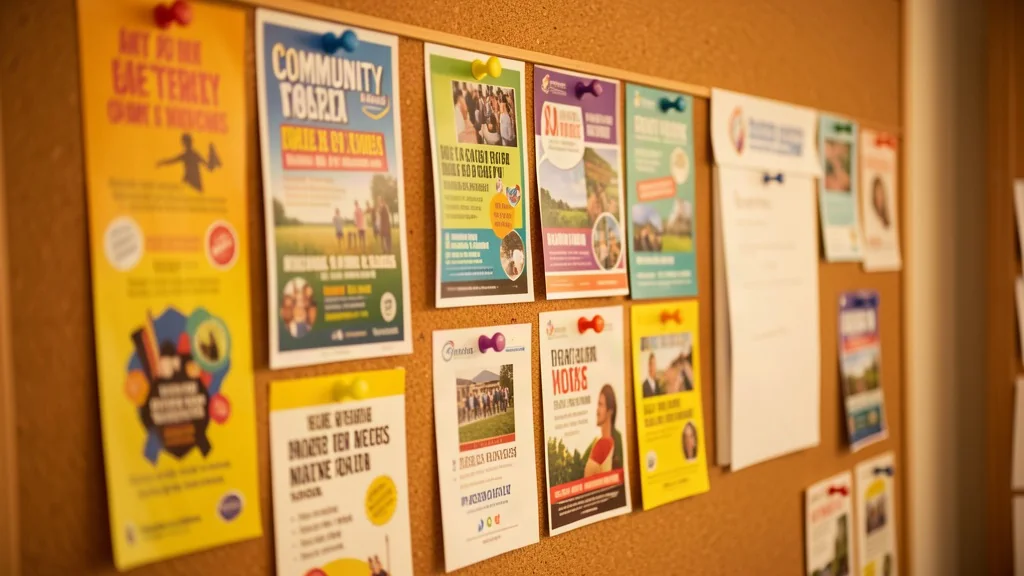
The main discovery channels have consolidated. FetLife remains the largest community platform and the place where most local groups post their events, from casual munches to multi-day intensives. Dedicated conference sites publish schedules and educator bios well in advance. Many cities also have community-run calendars and Discord or Telegram groups that vet organizers before listing them.
Online education grew up too: structured workshop series with live Q&A, recorded classes from established educators, and hybrid conferences that stream main-stage talks. For people in small towns or conservative regions, these are often the safest entry point.
Types of events, decoded
| Format | What it is | Good for |
|---|---|---|
| Munch | casual social meetup in a public place, vanilla dress code, no play | absolute first step; meeting the local community |
| Workshop | educational class on a specific topic: negotiation, rope safety, aftercare | learning skills with an instructor |
| Conference | multi-day event with many tracks, educators and vendors | deep dives and meeting the wider community |
| Play party | event with designated spaces for scenes, usually vetted entry | only after you know your basics and your limits |
| Online class | live or recorded education via video | distance learning, anonymity, smaller towns |
Start with a munch, not a party
Educators are unanimous on this: the first event should be a munch or a workshop, not a play party. A munch costs nothing, happens in a café or bar with a vanilla dress code, and exists precisely so newcomers can meet organizers and regulars with zero pressure. Communities that push newcomers straight into parties are a red flag, not a shortcut.
How to vet an event before you go
Twenty minutes of homework separates legitimate events from problematic ones:
- Look for a written code of conduct and a named consent policy on the event page.
- Check who the organizers and educators are; legitimate conferences list real names and track records.
- Ask the local community: one post in a regional group asking "anyone been to this?" surfaces reputation fast.
- Legitimate events state clearly what happens to photos, who can attend, and how complaints are handled.
- Vague promises, pressure to pay quickly, or secrecy about the venue until after payment are all warning signs.
Your first event: what to expect
A good first munch is almost boring: twenty to forty people chatting about everything except what you imagined. Nobody will single you out. You can say you are new, or you can say nothing at all and just listen. Organizers usually introduce themselves to newcomers and explain how the group works.
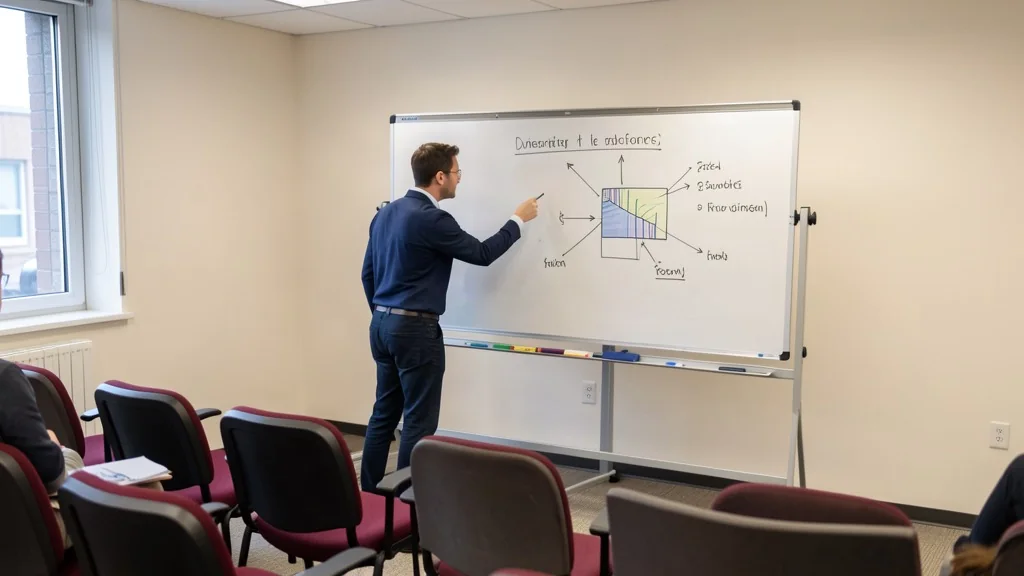
Workshops are more structured: an educator presents, demonstrates on a volunteer or a prop, and takes questions. You are never required to participate. Watching is participation enough the first time.
The community's open secret is that most people at these events are ordinary professionals who happen to share an interest. The dentist, the teacher, the software developer. The sooner that stops being surprising, the sooner the events stop being intimidating.